
Low Level Design

Source: https://takeuforward.org/The training is conducted in Java (due to its popularity and wide application in large projects), but all concepts are universal and applicable in any object-oriented language. The only requirement for participants is a confident understanding of OOP principles.
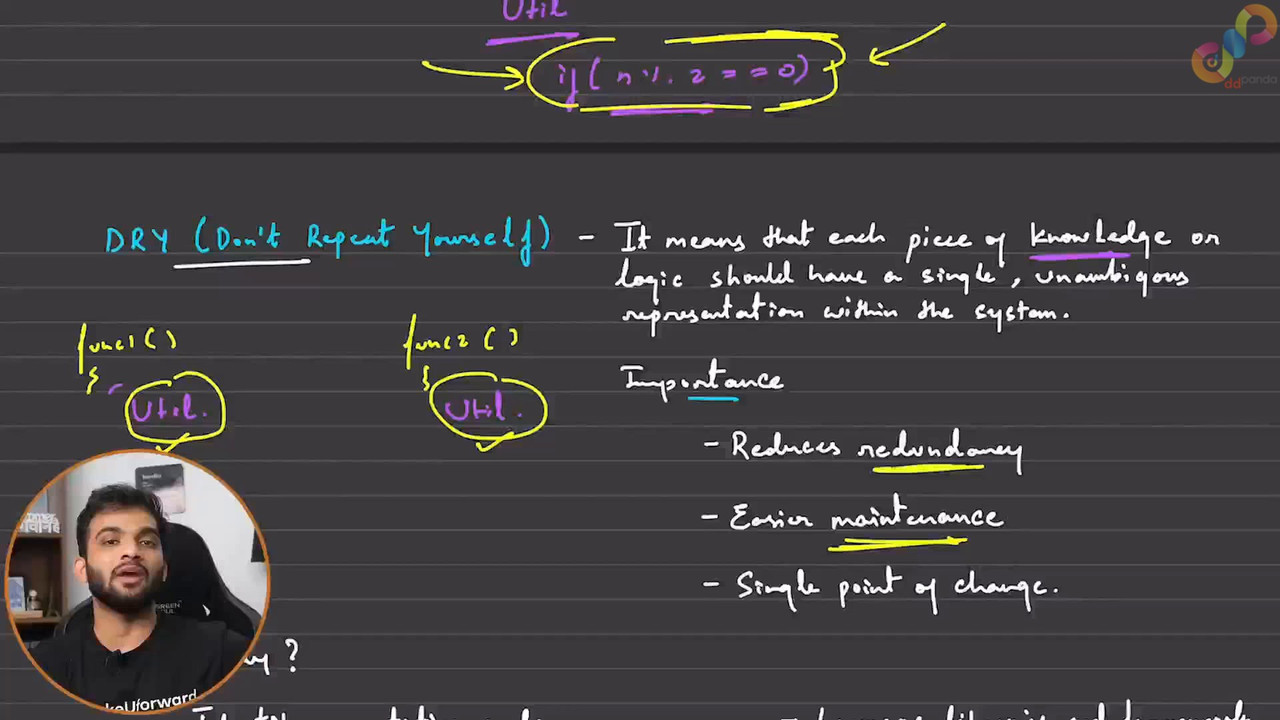
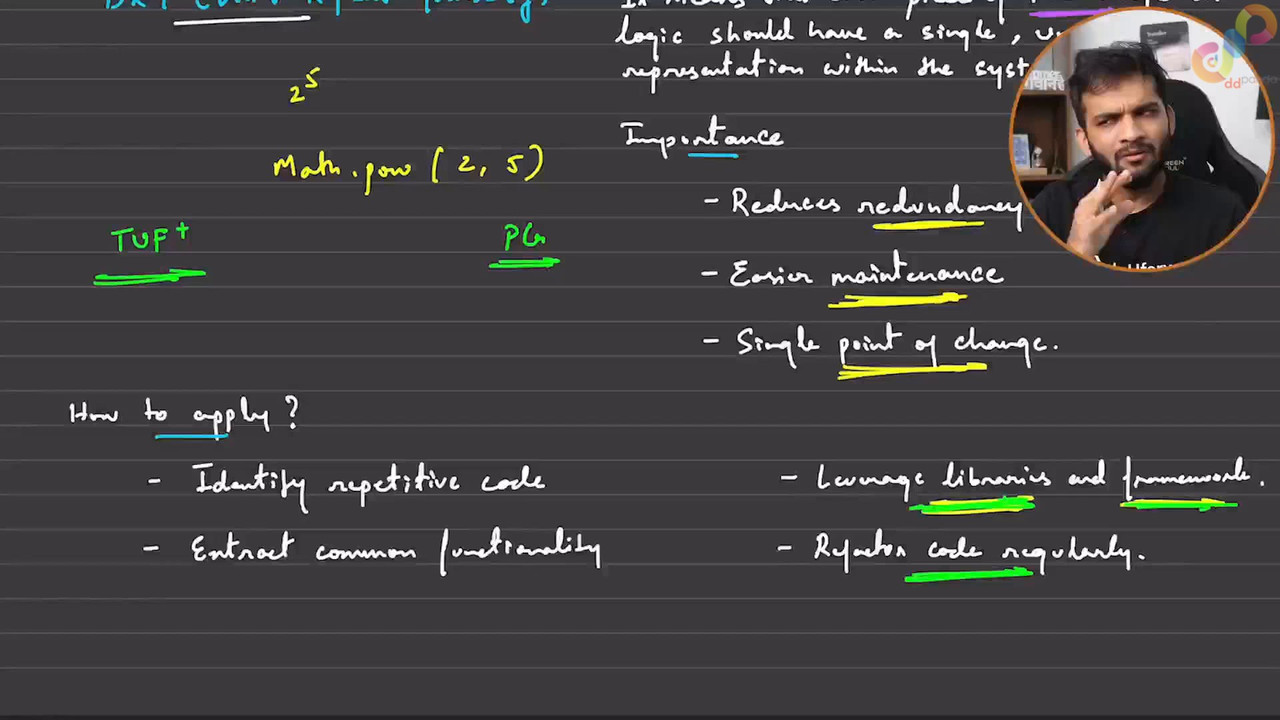
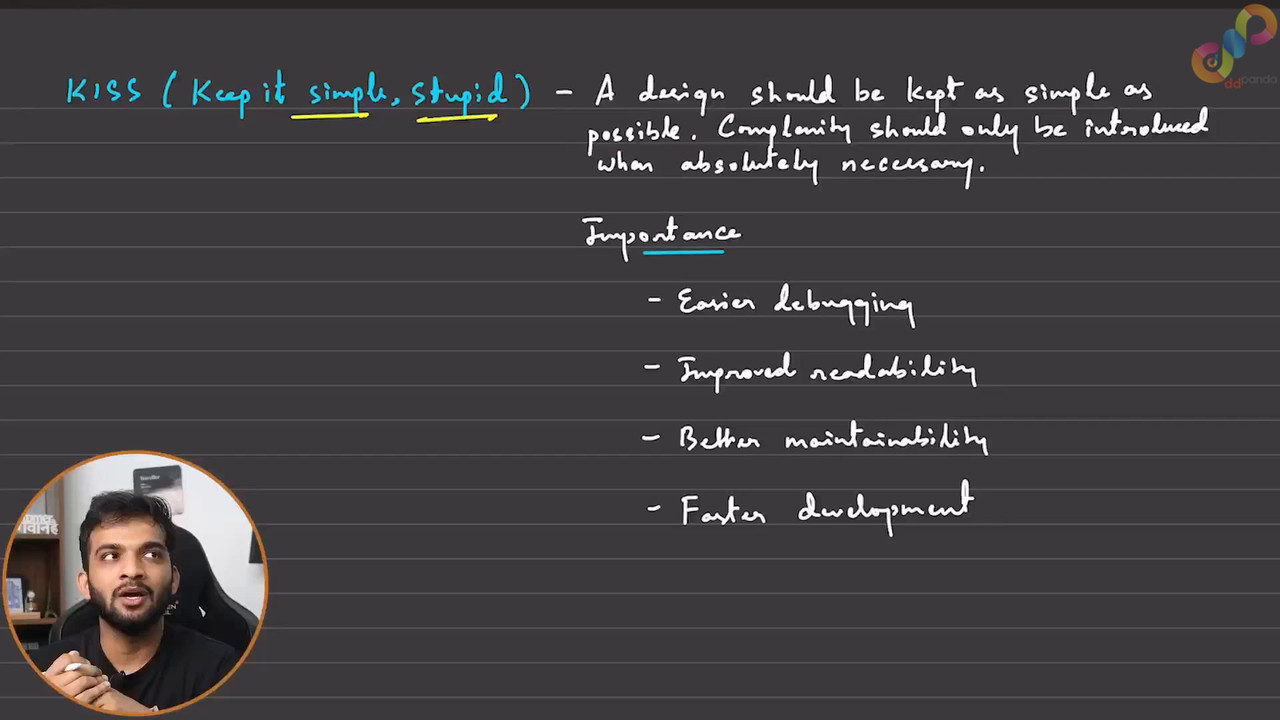
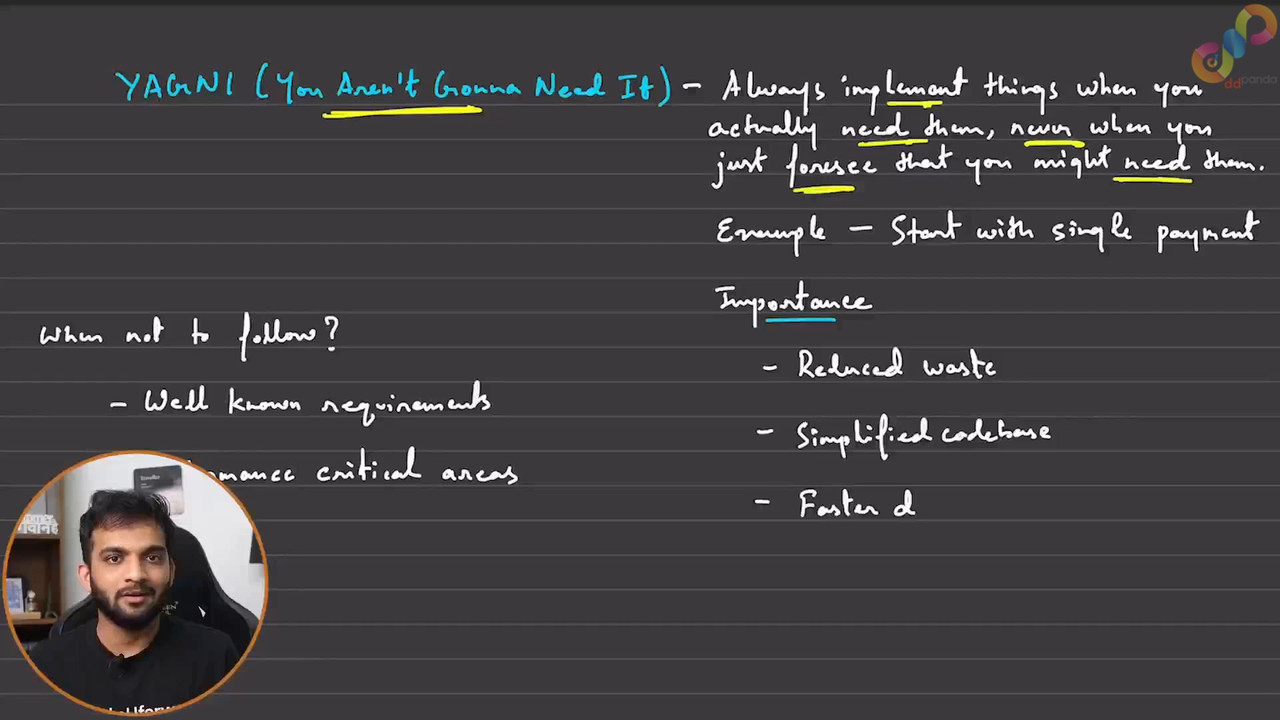
We will start with simple and illustrative analogies (such as designing a house) to understand the difference between High-Level Design (HLD) and Low-Level Design (LLD). The course will then immerse you in the practical aspects of LLD: developing classes, methods, interfaces, using data structures, designing algorithms, and applying key OOP principles.
As part of the course, you will learn to:
- turn requirements and high-level architecture into specific solutions;
- develop structures for classes, functions, and modules;
- use sequence and data flow diagrams;
- apply design patterns to create flexible and scalable systems;
- build detailed solutions with examples, including the development of authentication systems, notifications, and other application components.
The course will be especially useful for Senior developers, team leads, and technical managers who are responsible for the quality of architecture and system implementation.
As a result, you will gain a comprehensive understanding of the role of LLD in the development lifecycle and acquire practical skills to help design systems that are reliable, scalable, and free from excessive complexity.
Download Links
Password: cms.ddpanda.org
Verify to Access Download Links
Please wait for cloudflare turnstile to load.
Related Courses & Lessons
Keep learning from this topic

From Zero to Hero: Garbage Collection in .NET
Learn how garbage collection works in .NET, from the stack and heap to generations and the disposable pattern.

Deep Dive: Rust
Learn how to use traits, manage memory, write unsafe code, handle concurrency, and build advanced web applications in Rust.

Level Up Your Code Quality As A Software Engineer
With the infinite amount of tutorials and infrastructure services out there nowadays, writing code really isn't hard - Just getting...

From Zero to Hero: Background Processing in .NET
Learn how to build background jobs in .NET using hosted services, worker services, scheduling libraries, and message queues.

Introduction to Concurrency in C# – Async and Parallelism
Learn to develop scalable and fast applications using concurrency

Object Oriented Design And Programming
Master Object-Oriented Programming concepts, UML, Classes, Objects, Inheritance, Polymorphism, Encapsulation, and Design